Pool resurfacing cost in St. Louis
Resurfacing a concrete pool in the St. Louis area costs about $5,000–$10,000 in white plaster, $8,000–$15,000 in quartz and $10,000–$20,000 in exposed pebble. The size of the pool sets the base price. In St. Louis, winter damage to the tile and coping is what most often adds to it.
- White plaster (marcite)
- $5,000–$10,000
- Quartz aggregate
- $8,000–$15,000
- Exposed pebble
- $10,000–$20,000
- Waterline tile
- About $2,400–$7,600
- Time on site
- About 4–7 days, plus refill
Pool resurfacing cost by finish
| Finish | St. Louis pool | Per sq ft | Typical life |
|---|---|---|---|
| White plaster (marcite) | $5,000–$10,000 | $4–$8 | 8–10 years |
| Quartz aggregate | $8,000–$15,000 | $7–$10 | Between plaster and pebble |
| Exposed pebble | $10,000–$20,000 | $7–$20 | 15–20+ years |
- White plaster is the cheapest and the shortest-lived. Dave Schilli of Schilli Plastering told St. Louis Magazine that marcite lasts 8 to 10 years and carries a one-year warranty.
- Quartz mixes colored quartz into the plaster. It sits between plaster and pebble on price.
- Exposed pebble, such as Pebble Tec, costs the most up front. Schilli put its life at 15 to 20 years with a five-year warranty; the manufacturer claims 20 or more.
No St. Louis contractor we found publishes a resurfacing price; all quote in person. Our ranges sit across the published figures: Angi's St. Louis page says most homeowners pay $5,706–$14,265, averaging about $10,500, and national guides put plaster at $4–$8 per sq ft and pebble at $7–$20.
How to size your resurfacing job
Finishes are priced by the square foot of interior surface: the floor plus the walls. For a rectangle, that is length × width, plus 2 × (length + width) × average depth. Tile and coping are priced by the linear foot of perimeter.
| Pool, 3.5 to 8 ft deep | Interior surface | Perimeter | Plaster at $6–$8 |
|---|---|---|---|
| 16×32 | About 1,064 sq ft | 96 ft | About $6,400–$8,500 |
| 20×40 | About 1,490 sq ft | 120 ft | About $8,900–$11,900 |
Our arithmetic, using a 5.75-ft average depth. Steps, benches and a spa add surface. Ask each contractor for the square footage they are pricing, so quotes compare.
Tile, coping and freeze damage
St. Louis averaged about 46 freeze-thaw cycles a year in NOAA's engineering weather data. Each one is a chance for water behind the waterline tile, or in an open joint between the coping and the deck, to freeze and push things apart. That is why so many St. Louis resurfacing jobs become tile and coping jobs too.
| Work | Typical cost | Notes |
|---|---|---|
| Waterline tile | $2,400–$7,600 | About $1,900–$4,800 for a 16×32 nationally; $25–$30 per linear foot from one builder. |
| Coping | $2,900–$8,600 | About $40–$80 per linear foot nationally. |
| Bond beam repair | $300–$2,500+ | The concrete ring at the top of the wall that holds the tile and coping. Small repairs are cheap; widespread cracking is not. |
Tile and coping ranges from PoolPad's St. Louis remodeling page (2026); per-foot figures from HomeGuide and Shasta Pools; bond beam figures from one Maryland contractor.
Prevention is cheap. Keep the deck-to-coping joint sealed. At closing, Leslie's advises lowering the water below the skimmer and returns to blow out the lines, then bringing it back to 4–6 inches below the tile, with antifreeze in the lines. Do not leave the water sitting at the tile line over winter.
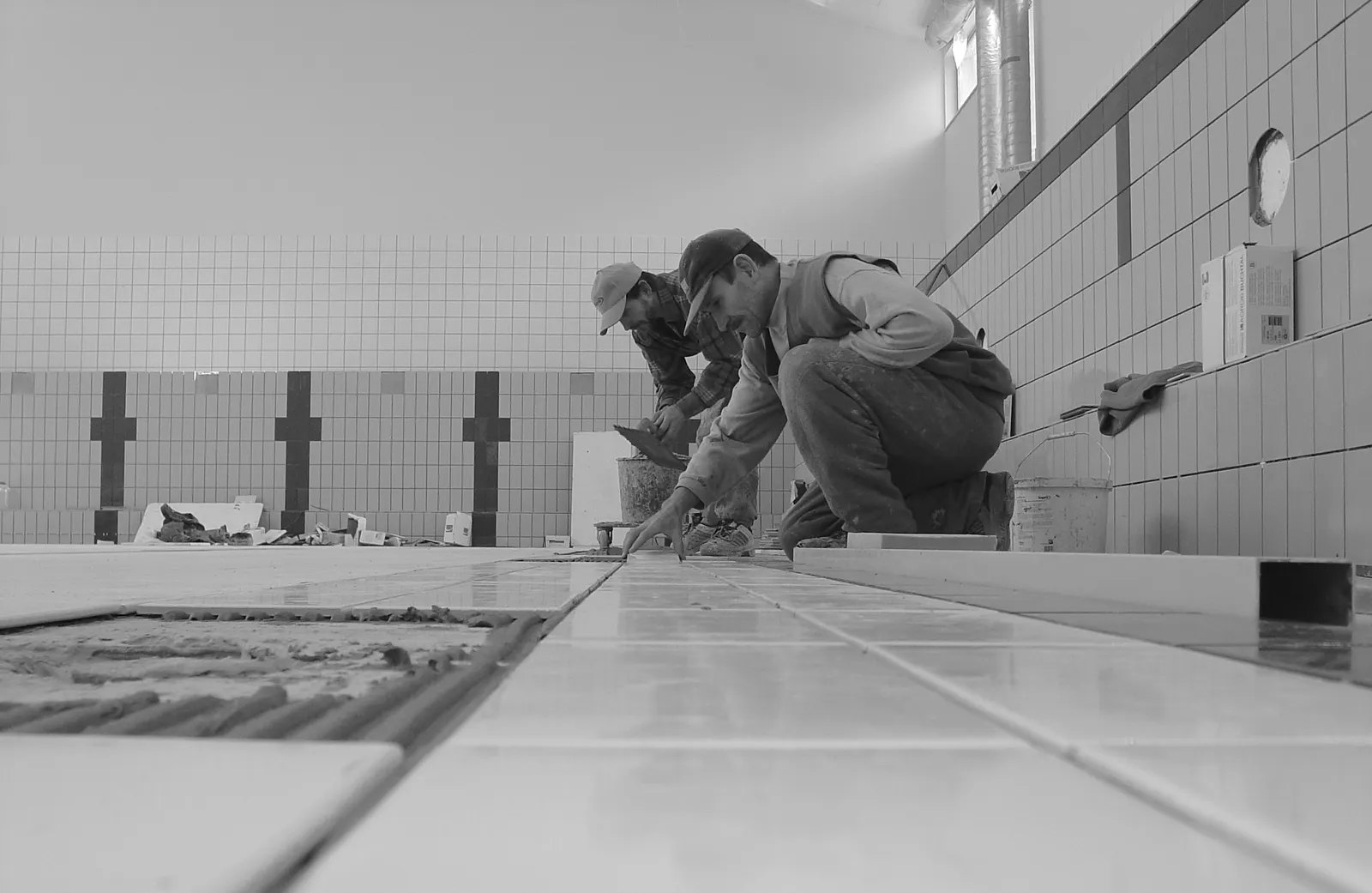
Resurface, patch or acid wash?
- Acid wash, about $250–$700: the finish is sound and smooth but stained. It removes a thin layer each time, so it is not a yearly fix.
- Spot repair, roughly $1,000–$3,000: a few hollow-sounding spots, chips or small areas of delamination on a finish that is otherwise in good shape.
- Resurface: the surface is rough enough to snag swimsuits or scrape feet, etched across large areas, delaminating in several places, or the plaster is worn through to the gunite.
If you are planning to resurface, do the tile and coping in the same job. The pool is already drained, and new tile on old, failing coping will not last.
What a resurfacing job involves
- Drain. Do not drain a pool yourself before the contractor is ready. An empty concrete shell in high groundwater can be pushed up out of the ground, and heavy rain is the worst time to drain.
- Prepare. The old surface is chipped out or roughened, loose areas are removed, and a bond coat may be applied.
- Tile and coping, if they are being replaced.
- Apply the finish and start refilling, usually the same day.
- Start-up chemistry and brushing for the next four weeks.
Most jobs take about 4 to 7 days. Refilling about 20,000 gallons costs roughly $200 at Missouri American Water's St. Louis County rate. In MSD's area, sewer charges are based on winter-quarter water use, roughly mid-December through March, so a spring or summer refill does not raise your sewer bill. A refill during that window would.
The first 28 days decide how long it lasts
The National Plasterers Council's start-up guidance says most of a new finish's hydration happens in the first 28 days, and that is when it is most likely to stain, scale or discolor. Its start-up card calls for:
- Brushing the whole surface at least twice a day.
- Balancing alkalinity and pH from the first day, and holding off on chlorine for the first 48 hours.
- No heater until the plaster dust is gone.
- No salt and no wheeled automatic cleaners for 28 days.
Ask who is responsible for start-up. Many plasterers do it or supervise it, and a warranty can depend on it.
Vinyl and fiberglass pools
Vinyl pools are not resurfaced; the liner is replaced. See pool liner replacement cost. Fiberglass pools can be refinished with a polymer or epoxy coating. River Pools says the cost is roughly the same as replastering, about $10,000 and up for a small pool and up to double for a large one; American Fiberglass Pools gives $7,000–$12,000 and 5 to 10 days.
Questions to ask a resurfacing contractor
- How many square feet are you pricing, and which finish brand?
- Are you chipping out the old surface or applying a bond coat over it?
- Is tile and coping included, and what condition is the bond beam in?
- Who drains the pool, and how do you protect against groundwater?
- Who handles start-up, and what does the warranty require of me?
- What is the warranty, and is it from the installer, the manufacturer or both?
Replacing the pool instead?
If the shell itself is failing, compare resurfacing against removing the pool or building new. New inground pools in St. Louis run $45,000 to $150,000+.
Get matched with a local pool builder See the pool cost guide
Common questions about pool resurfacing
How much does it cost to resurface a pool in St. Louis?
Most St. Louis concrete pools cost $5,000–$10,000 to replaster in white plaster, $8,000–$15,000 in quartz and $10,000–$20,000 in exposed pebble. Angi's St. Louis page puts the typical job at about $5,700–$14,300. New waterline tile and coping are extra.
How often does a pool need resurfacing?
A St. Louis plasterer quoted by St. Louis Magazine puts white plaster at 8 to 10 years and pebble at 15 to 20. Water chemistry and how the pool is winterized make a big difference.
How long does pool resurfacing take?
Usually 4 to 7 days of work, plus draining and refilling. After that, the first 28 days matter most: the finish is still curing and needs brushing and careful water chemistry.
Can I resurface a vinyl or fiberglass pool?
A vinyl pool gets a new liner instead. A fiberglass pool can be refinished with a polymer or epoxy coating, which costs roughly the same as replastering a concrete pool, about $7,000 to $12,000 or more.
Should I acid wash instead of resurfacing?
An acid wash, about $250–$700, removes stains from a finish that is still smooth and sound. It strips a thin layer of plaster each time, so it does not fix roughness, etching, hollow spots or delamination. Those need a patch or a new finish.
Is it cheaper to refill a pool in summer in St. Louis?
In MSD's area, yes. MSD bases residential sewer charges on winter-quarter water use, roughly mid-December through March, so filling a pool outside that window does not raise your sewer bill. The water itself costs about $200 for 20,000 gallons at Missouri American Water's St. Louis County rate.
Do I need a permit to resurface a pool?
We found no St. Louis-area city that lists a permit for replastering. Structural repairs, new plumbing, electrical or a gas heater can need permits, so ask your contractor and your city.
Sources
- Angi: pool resurfacing cost in St. Louis
- PoolPad: pool remodeling costs in St. Louis (2026)
- HomeGuide: pool resurfacing cost
- Shasta Pools: cost to replace pool tile (January 2026)
- St. Louis Magazine: St. Louis experts on building a pool (updated February 2025)
- PebbleTec: plaster vs. pebble finishes
- National Plasterers Council: start-up procedures
- NOAA engineering weather data: St. Louis
- Goudy Pools: bond beam damage
- Leslie's: winterizing an inground pool
- Swim University: draining an inground pool (March 2026)
- MSD: water meter rate information
- MSD: winter quarter
- River Pools: resurfacing fiberglass pools
- American Fiberglass Pools: cost to resurface a fiberglass pool (March 2025)
Published October 27, 2026. Planning ranges, not quotes.